
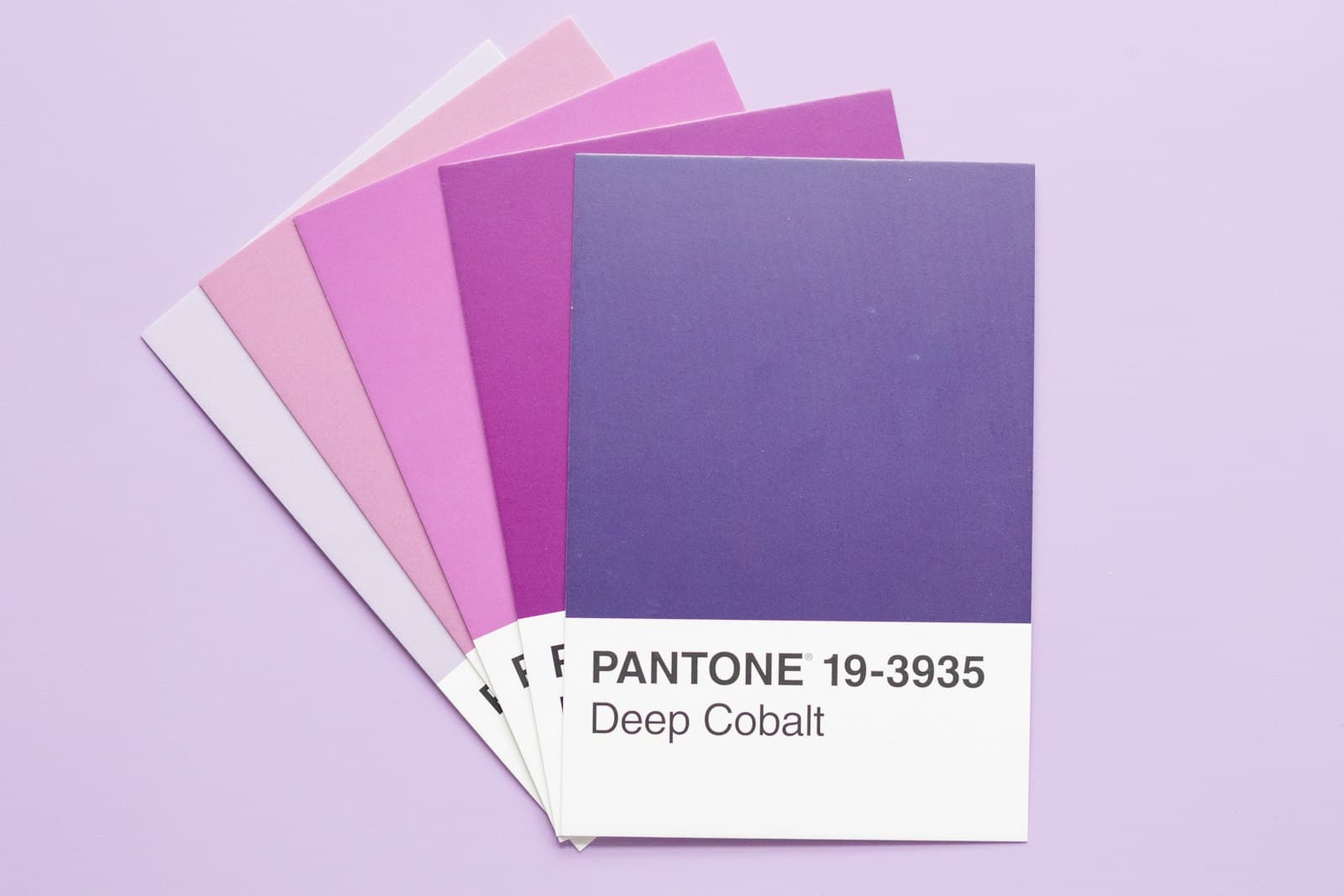
A brand guideline PDF describes intent. A design system enforces it. When the two are separate artefacts, the product drifts — and the guideline is always the one that loses, quietly, one pull request at a time, until nobody remembers the original spec was ever meant to be binding.
We inherited a rebrand for a fintech client two years ago where the guideline deck specified an exact 8px corner radius and a single accent colour used at three defined opacities. By the time we audited the live product, we found eleven distinct corner radii and the accent colour hard-coded in fourteen different hex values — all of them close to the original, none of them identical to it. Nobody had deviated on purpose. The guideline simply had no mechanism to stop drift, because a PDF cannot fail a code review.
Tokens are the contract
Once colour, type, and spacing resolve through tokens, a brand decision is a single edit rather than an audit across every screen. The token layer is the thing that turns 'the guideline says' into 'the build fails if you don't.'
- One accent, declared once, referenced everywhere.
- No component hard-codes a hex value.
- Re-skinning the product means editing the token layer, nothing else.
- A linter rule rejects raw colour or spacing values in component code — not a style-guide suggestion, a merge blocker.
The part guidelines never cover: states and edge cases
A static guideline shows the brand at its best — the hero shot, the primary button, the clean empty state. It almost never shows the accent colour on a disabled control, inside an error toast, or against a loading skeleton, because those states don't photograph well for a brand deck. That's exactly where inconsistency creeps in first, because engineers improvise when the spec is silent.
Extend the token set to cover every interactive state
Hover, focus, active, disabled, and error variants get their own tokens derived from the base palette — not ad-hoc opacity tweaks invented per component.
Audit the long tail before the launch, not after
Empty states, error boundaries, and loading skeletons get the same design-review scrutiny as the primary flow, because they're what a brand audit six months later will actually find wrong.
Version the token set like an API
A breaking token change — renaming or removing a value a component depends on — follows the same deprecation and migration process as a breaking API change, with a changelog engineers actually read.
In closing
Identity survives contact with a shipping product only when it is expressed as code the product cannot route around. A guideline is a statement of intent; a token system is the only artefact that still holds eighteen months and forty pull requests later.